Energy Storage Fasteners
Corrosion-resistant fastener solutions engineered specifically for stationary energy storage systems (ESS), battery enclosures, and power storage containers.
Energy storage systems operate in demanding environments where fastener reliability directly impacts system integrity, safety, and service life. Our fastener solutions are designed to withstand the unique challenges of ESS applications, including extended exposure to humidity, temperature cycling, and infrequent maintenance access.
Energy Storage System Environments
Stationary energy storage systems are deployed across diverse environments—from climate-controlled indoor facilities to outdoor containerized installations. These systems must maintain structural integrity and electrical isolation over extended service periods, often with minimal maintenance intervention.
ESS cabinets and containers house battery modules, power electronics, cooling systems, and safety equipment. Fasteners securing these components must provide reliable mechanical connection while preventing corrosion-induced failures that could compromise system performance or safety.
Unlike automotive applications with regular service intervals, ESS installations may operate for years without maintenance access. This extended service requirement demands fastener solutions with exceptional long-term corrosion resistance and dimensional stability.
Environmental Challenges
Humidity & Moisture
ESS installations, particularly outdoor containerized systems, are exposed to ambient humidity, condensation, and moisture ingress. High humidity levels accelerate corrosion processes, especially when combined with temperature fluctuations.
- •Condensation cycles within enclosures
- •Ambient humidity variations (coastal, industrial environments)
- •Moisture ingress through seals and gaskets
- •Water exposure during installation or maintenance
Long-Term Exposure
ESS systems are designed for 10-20 year service lives with minimal maintenance. Fasteners must maintain mechanical properties and corrosion resistance throughout this extended period without degradation.
- •Continuous exposure to environmental conditions
- •Limited access for inspection or replacement
- •Progressive corrosion accumulation over time
- •Coating degradation and barrier failure risk
Maintenance Cycles
ESS maintenance intervals are typically measured in months or years, not weeks. Fasteners must remain accessible and functional after extended periods without service intervention.
- •Infrequent maintenance access (6-12 month intervals)
- •Fastener removal and reinstallation during service
- •Thread integrity preservation after multiple cycles
- •Coating durability through disassembly/reassembly
Recommended Fastener Solutions
Corrosion-Resistant Rivet Nuts
Rivet nuts provide threaded inserts for sheet metal and enclosure assemblies, enabling secure fastening of components to ESS cabinet walls and frames. Corrosion-resistant variants are essential for long-term reliability.
- •Zinc-nickel plated rivet nuts: Superior corrosion resistance with 720-1000+ hours salt spray performance, ideal for critical ESS applications
- •Stainless steel rivet nuts: Maximum corrosion resistance for high-humidity or coastal installations where coating durability is a concern
- •Thread integrity: Internal threads maintain dimensional stability and corrosion resistance throughout service life
- •Installation compatibility: Compatible with standard rivet nut installation tools and processes
Sealed & Closed-End Designs
Sealed and closed-end fastener designs prevent moisture ingress into threaded connections and internal cavities, protecting against corrosion initiation and thread degradation.
- •Closed-end rivet nuts: Sealed bottom prevents moisture entry into the fastener interior, protecting internal threads and reducing corrosion risk
- •Environmental sealing: Prevents water, humidity, and contaminants from entering threaded connections
- •Long-term protection: Maintains thread integrity and fastener functionality over extended service periods
- •Application flexibility: Available in various thread sizes and configurations for ESS cabinet and container applications
Design Considerations
When selecting fasteners for ESS applications, consider the specific environmental conditions, expected service life, maintenance accessibility, and system reliability requirements. Closed-end designs combined with zinc-nickel plating provide optimal protection for most ESS installations.
For outdoor containerized systems or installations in high-humidity coastal environments, stainless steel fasteners may be preferred to eliminate coating degradation concerns over the full service life.
Coating & Surface Treatment Options
Surface treatment selection directly impacts fastener corrosion resistance and service life in ESS applications. The following coating options are recommended based on environmental severity and performance requirements.
Zinc-Nickel Plating
Zinc-nickel alloy coating (10-15% nickel) provides superior corrosion resistance compared to standard zinc plating, making it the preferred choice for ESS applications requiring extended service life.
- •Salt spray performance: 720-1000+ hours (NSS per ASTM B117)
- •Trivalent chromium passivation (Cr3+) for enhanced protection
- •Superior performance in humidity and temperature cycling
- •Recommended for indoor ESS cabinets and moderate outdoor environments
Stainless Steel
Stainless steel fasteners eliminate coating degradation concerns and provide maximum corrosion resistance for the most demanding ESS applications, particularly outdoor containerized systems.
- •No coating degradation over service life
- •Excellent resistance to humidity, salt, and chemical exposure
- •Ideal for coastal installations and high-humidity environments
- •Higher initial cost but superior long-term reliability
Coating Selection Guidelines
Indoor ESS Cabinets
Climate-controlled environments with moderate humidity: Zinc-nickel plating (720+ hours NSS) provides adequate protection at optimal cost.
Outdoor Containerized Systems
Exposed to ambient conditions: Zinc-nickel plating (1000+ hours NSS) or stainless steel recommended depending on environmental severity and cost considerations.
Coastal or High-Humidity Installations
Maximum corrosion resistance required: Stainless steel fasteners recommended to eliminate coating degradation risk over extended service life.
Testing & Inspection
Fastener quality and corrosion resistance are verified through standardized testing procedures. Test certificates and inspection reports are available upon request to demonstrate compliance with ESS application requirements.
Corrosion Resistance Testing
- •Neutral Salt Spray Test (NSS) per ASTM B117 / ISO 9227
- •Test duration: 720-1000+ hours depending on coating type
- •Evaluation for white rust, red rust, and coating degradation
- •Test reports available with shipment documentation
Quality Inspection
- •Dimensional inspection per drawing specifications
- •Coating thickness measurement (eddy current, XRF methods)
- •Thread verification (GO/NO-GO gauges)
- •Visual inspection for defects and coating uniformity
For detailed information on our quality control processes, testing capabilities, and inspection procedures, refer to our Quality Control & Inspection Systems and Coating Technology pages.
Typical Applications
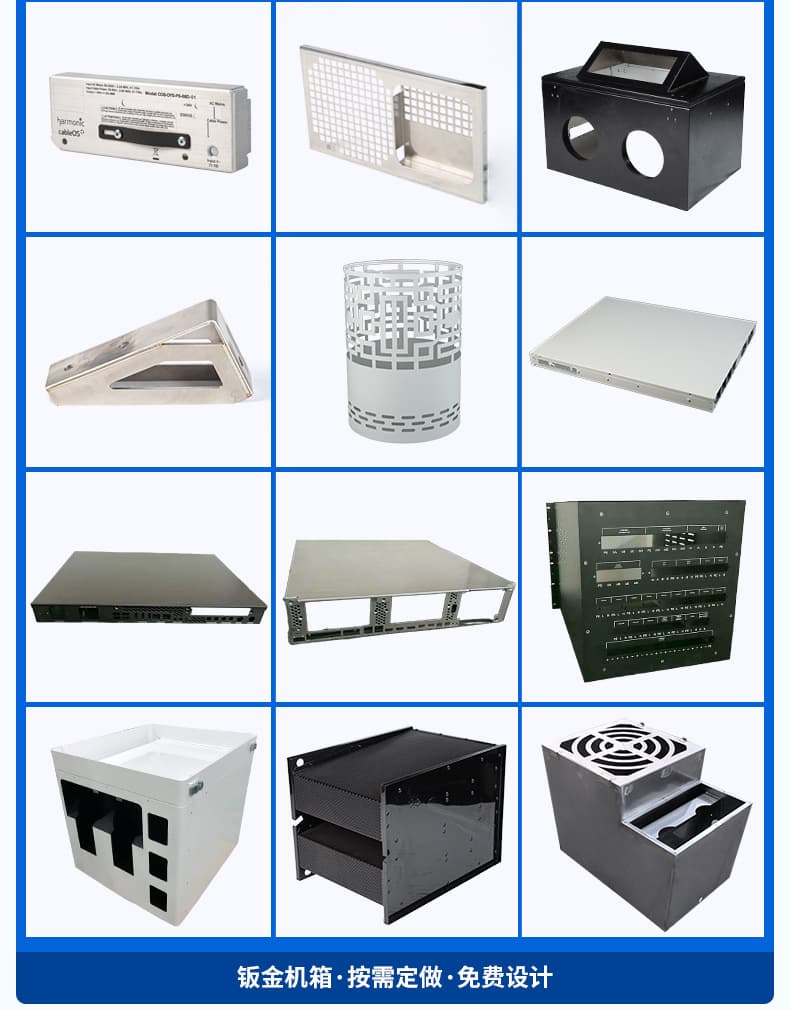
ESS Cabinets
Indoor and outdoor ESS cabinets house battery modules, power electronics, and control systems. Fasteners securing cabinet panels, mounting brackets, and component assemblies must provide reliable connection over extended service periods.
Sheet metal energy storage enclosures require corrosion-resistant fasteners for reliable long-term performance.
- •Cabinet panel attachment (rivet nuts for sheet metal)
- •Battery module mounting brackets
- •Power electronics and control system mounting
- •Access panel and door fasteners
Recommended: Zinc-nickel plated closed-end rivet nuts (720+ hours NSS)
Containerized ESS Systems
Outdoor containerized energy storage systems are fully exposed to environmental conditions. Fasteners must withstand temperature extremes, humidity, UV exposure, and potential salt spray in coastal installations.
- •Container wall and frame fastening
- •Battery rack and module mounting
- •Cooling system and HVAC component attachment
- •Safety equipment and fire suppression mounting
Recommended: Zinc-nickel plated (1000+ hours NSS) or stainless steel closed-end rivet nuts
Long-Term Reliability Considerations
ESS systems require fastener solutions that maintain mechanical integrity and corrosion resistance throughout their 10-20 year service lives. The following factors are critical for long-term reliability:
Coating Durability
Coating systems must resist degradation from humidity, temperature cycling, and environmental exposure. Zinc-nickel plating provides superior barrier protection compared to standard zinc, while stainless steel eliminates coating degradation concerns entirely.
- • Coating thickness uniformity ensures consistent protection across all surfaces
- • Adhesion quality prevents delamination and barrier failure
- • Passivation treatment enhances corrosion resistance and surface stability
Thread Integrity
Internal and external threads must maintain dimensional accuracy and corrosion resistance to enable reliable fastener engagement during initial installation and any future maintenance cycles.
- • Closed-end designs protect internal threads from moisture ingress
- • Corrosion-resistant coatings or materials prevent thread degradation
- • Thread geometry preservation ensures consistent engagement torque
Maintenance Accessibility
Fasteners must remain functional and removable after extended periods without service. Corrosion-induced thread binding or fastener head degradation can prevent proper disassembly during maintenance.
- • Corrosion-resistant materials prevent thread binding
- • Coating durability maintains fastener head integrity for tool engagement
- • Proper installation torque prevents over-tightening and thread damage
System Safety
Fastener failures in ESS applications can compromise structural integrity, electrical isolation, or safety systems. Reliable fastener performance is essential for system safety and operational continuity.
- • Consistent mechanical properties throughout service life
- • Corrosion resistance prevents unexpected failures
- • Quality assurance and traceability support reliability requirements
Application Discussion & Technical Consultation
Selecting the optimal fastener solution for your ESS application requires consideration of environmental conditions, service life requirements, maintenance accessibility, and cost factors. Our engineering team can provide technical recommendations based on your specific application requirements.
We can assist with:
- •Fastener selection based on environmental conditions and service life requirements
- •Coating and material recommendations for your specific ESS installation
- •Technical specifications and performance data for fastener options
- •Quality documentation and test certificates for compliance requirements
- •Custom fastener solutions for unique ESS applications